


You’ve heard melatonin is safe, natural, and effective. So you grab the first bottle you see, take a couple of tablets, and wait.
Sometimes it works. Sometimes you wake up groggy, or it doesn’t seem to do anything at all. The problem usually isn’t the melatonin — it’s the dose.
Getting the melatonin dosage for sleep right makes more of a difference than most people realise. Too little and you might not feel anything. Too much and you wake up feeling worse than before.
This article explains exactly how much to take, when to take it, and what to watch out for — in plain language, no confusion.
How Much Melatonin Should I Take?
This is where most people go wrong before they even start.
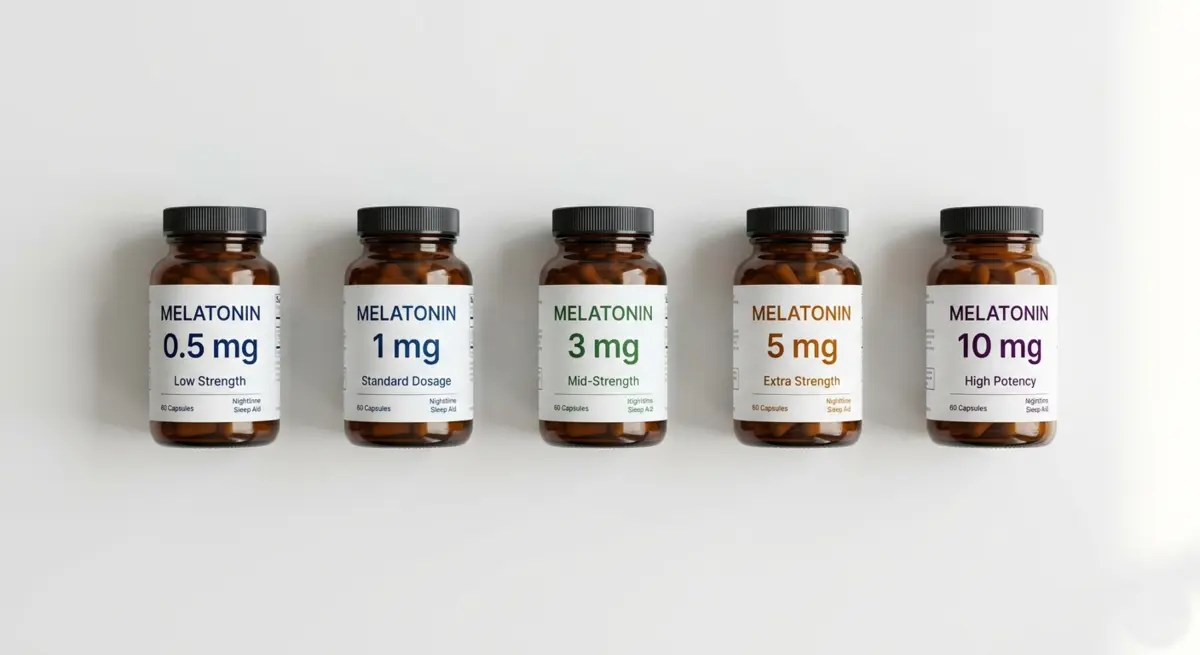
Walk into any pharmacy, and you’ll see melatonin tablets ranging from 1 mg all the way up to 10 mg. The higher dose looks more powerful, so it feels like the logical choice. But higher doesn’t mean better with melatonin.
Start lower than you think you need
Research consistently shows that doses between 0.5 mg and 3 mg are effective for most adults. That’s a fraction of what’s sold in standard supplement bottles.
Starting with 0.5 mg or 1 mg is genuinely the smartest move, especially if it’s your first time. You can always increase slightly if needed — but starting high is the fastest way to wake up feeling foggy and defeated.
How much melatonin to take for sleep the first time
If you’ve never taken melatonin before, start with 0.5 mg. See how your body responds. If you feel no difference after a few nights, move to 1 mg. Work up slowly from there — most people find their sweet spot somewhere between 1 mg and 3 mg.
The goal is the lowest dose that helps you fall asleep without leaving you groggy in the morning.
Best Time to Take Melatonin for Sleep
The timing matters just as much as the dose — and most people get this wrong too.
Melatonin is not a sedative. It doesn’t knock you out. It signals to your brain that darkness has arrived and sleep should follow. That signal takes time to work.
Take it 30 to 60 minutes before bed
Most sleep researchers recommend taking melatonin 30 to 60 minutes before your intended sleep time. This gives your body enough time to respond to the signal before you actually need to be asleep.
Taking it right as you get into bed often means it hasn’t kicked in yet. Taking it too early can throw off your timing.
Consistency matters
Taking melatonin at the same time each night also helps reinforce your sleep-wake cycle. Your body starts to expect the signal, which makes the whole process more reliable over time.
If you’re using it for jet lag or shift work, the timing shifts accordingly — but for regular nightly use, 30 to 60 minutes before a consistent bedtime is the target.
Is It Safe to Take Melatonin Every Night?
This is one of the most common questions, and the honest answer is nuanced.
Short-term use — a few weeks to a couple of months — is considered safe for most healthy adults. There’s no strong evidence that low-dose melatonin causes dependence or harm over this period.
Long-term use is less clear
The research on taking melatonin every night for months or years is limited. It doesn’t mean it’s dangerous — but it does mean we don’t have a full picture yet.
The bigger concern with nightly melatonin use isn’t toxicity — it’s reliance. If you’re using melatonin every night without addressing the underlying reason you can’t sleep, you’re managing a symptom rather than solving the problem.
Use it as a short-term tool
Think of melatonin as a bridge — helpful for getting through a rough patch, adjusting to a new schedule, or resetting after travel. Pair it with good sleep habits so you’re not dependent on a supplement indefinitely.
If you find you can’t sleep without it after several weeks, it’s worth speaking to a doctor about what’s actually driving your sleep issues.
Melatonin Side Effects and Risks
Melatonin is one of the gentler supplements available, but it’s not completely without side effects — especially at higher doses.
Common side effects
The most frequent complaint is morning grogginess. This usually means the dose was too high or the timing was off. Dropping to a lower dose and taking it earlier in the evening tends to fix this.
Other reported side effects include mild headaches, dizziness, and vivid dreams. These are more common at doses above 5 mg.
Is 10 mg of melatonin too much?
For most adults, yes. A 10 mg dose is significantly higher than what research suggests is necessary. Some people take it without obvious problems, but the risk of next-day drowsiness and disrupted sleep cycles increases considerably at this level.
Unless a doctor has recommended a specific higher dose for a medical reason, there’s very little benefit to going above 3 mg to 5 mg.
Melatonin and other medications
Melatonin can interact with blood thinners, blood pressure medication, and certain antidepressants. If you’re on any regular medication, check with your doctor or pharmacist before starting melatonin — even though it’s sold over the counter.
Common Misconceptions About Melatonin
“More melatonin means better sleep.” It doesn’t. Melatonin isn’t a sleeping pill. Taking 10 mg won’t make you sleep better than 1 mg — it’ll just increase the chance of side effects and grogginess. Less is genuinely more here.
“If melatonin isn’t working, it means I need a higher dose.” Not necessarily. If melatonin isn’t working, timing is usually the issue. Try taking it earlier — 60 minutes before bed instead of 30. Also, check that your bedroom is dark and cool, as melatonin works best when your environment supports it.
“Melatonin is a long-term cure for insomnia.” Melatonin can help you fall asleep, but it doesn’t address the root causes of chronic insomnia — stress, anxiety, poor sleep habits, or underlying health issues. If you’ve been relying on it for months with little improvement, a conversation with your GP is worth having.
FAQ
How much melatonin should I take for sleep?
Start with 0.5 mg to 1 mg taken 30 to 60 minutes before bed. Most adults find that 1 mg to 3 mg is effective. There is rarely a reason to exceed 5 mg. Higher doses increase the risk of grogginess and side effects without meaningfully improving sleep quality.
Is 10 mg of melatonin too much?
For most adults, yes. Research supports doses between 0.5 mg and 5 mg for sleep. A 10 mg dose is far above what studies show is necessary and significantly raises the chance of next-day drowsiness and disrupted sleep cycles.
How long does melatonin take to work?
Melatonin typically takes 30 to 60 minutes to begin working. It is not a fast-acting sedative — it works by signalling your brain that it is time to sleep. Taking it too close to bedtime is one of the most common reasons people feel it is not effective.
Can you take melatonin every night?
Short-term nightly use for a few weeks is considered safe for most healthy adults. Long-term daily use is less studied. It is best used as a short-term tool alongside good sleep habits rather than an indefinite nightly supplement.
Does melatonin help you stay asleep or just fall asleep?
Standard melatonin primarily helps with falling asleep by moving your sleep onset earlier. Extended-release formulas are designed to help with staying asleep through the night. If waking in the middle of the night is your main issue, an extended-release version may be more effective.
Conclusion
Getting the melatonin dosage for sleep right comes down to two things — starting low and timing it properly. Most people take too much, too late, and wonder why it isn’t working.
Start at 0.5 mg to 1 mg, take it 30 to 60 minutes before bed, and give it a consistent routine to work within. Small adjustments make a bigger difference than chasing a higher number on the label.
Subscribe for more health tips and simple everyday solutions.