

You eat what feels like a normal meal, and thirty minutes later, your eyelids feel like they weigh ten pounds. Sound familiar? You’re not imagining it, and you’re definitely not alone.
If you’ve ever thought, “I eat healthy, but I still feel exhausted,” the problem might not be your willpower. It might be what’s actually on your plate. Several foods that cause fatigue can quietly drain your energy, even when you think you’re eating well.
In this guide, you’ll learn which foods drain your energy, why they do it, and what to eat instead so you can stay alert all day.
Key Takeaways
- Sugar, refined carbs, ultra-processed foods, caffeine, and alcohol are among the most common foods linked to fatigue.
- Blood sugar spikes and crashes are one of the biggest hidden reasons food makes you tired.
- Fatigue that shows up 30 to 60 minutes after eating is often a sign your meal was too high in refined carbs or sugar.
- Pairing protein, fiber, and healthy fats at each meal helps prevent energy crashes.
- Persistent fatigue that doesn’t improve with diet changes may need a doctor’s attention.
Why Am I So Tired After Eating? (The Real Reason)
If you eat what feels like a reasonable meal and still hit a wall of exhaustion, you’re dealing with something real. It’s not laziness. It’s biology.
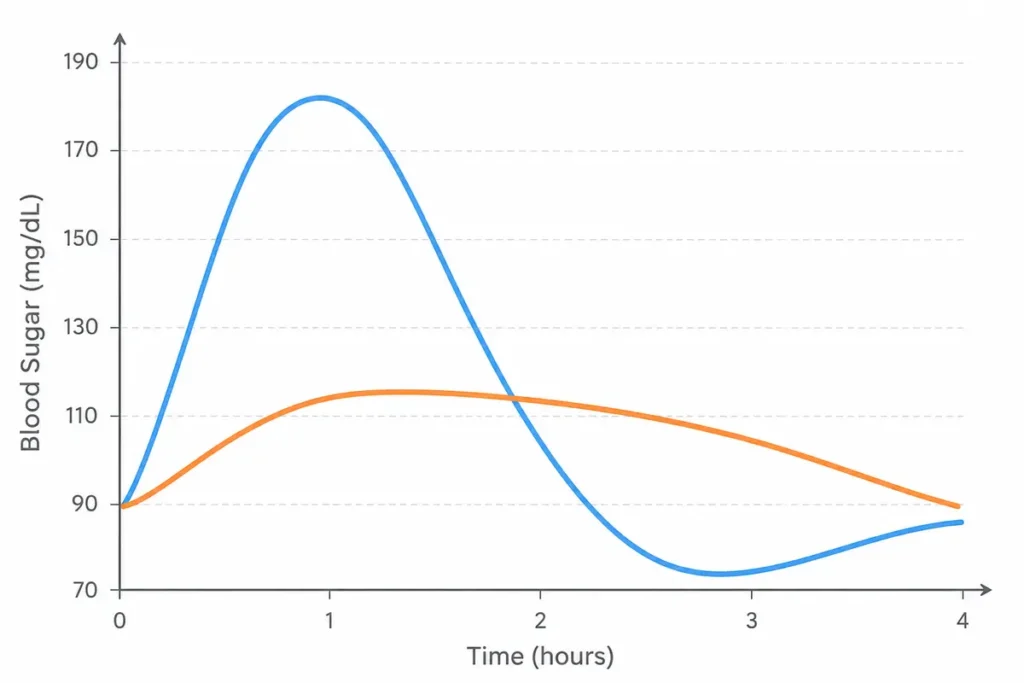
Many foods associated with post-meal fatigue share one thing in common. They tend to cause your blood sugar to rise quickly, then drop just as fast. That drop is often what you feel as sudden, heavy tiredness.
The good news is that once you know which foods drain your energy, you can start making small swaps that keep you steadier all day.
The Foods That Cause Fatigue (And Why They’re Sneaky)
These foods don’t feel dangerous in the moment. That’s exactly why they catch so many people off guard.
Sugar and High-Sugar Foods
Sugar gives you a quick lift, then takes it right back. Your blood sugar rises fast, your body releases insulin to bring it back down, and that drop is often where the tiredness hits.
Research backs this up. In a controlled study, people eating a high-glycemic-load diet — meaning a diet high in foods that raise blood sugar quickly — scored 26% higher on measures of fatigue and low energy than people eating a low-glycemic-load diet.
If you regularly reach for something sweet to get through a slump, it’s worth watching what happens an hour later. That lift rarely lasts as long as the crash that follows it.
Refined Carbs (White Bread, White Rice, Pasta)
Refined carbs behave a lot like sugar once they hit your bloodstream. Stripping away fiber during processing means your body breaks it down fast, which raises blood sugar quickly.
This is measured by something called the glycemic index, which ranks how fast a food raises your blood sugar. White bread, white rice, and regular pasta all sit fairly high on that scale.
I learned this one the hard way. For a while, I ate oatmeal most mornings. About thirty minutes later, without fail, my eyes would start closing on their own. I’d move from my desk to my bed just to keep working lying down — and more than once, I fell asleep completely without realizing it, only waking up when my phone rang almost an hour later.
Once I swapped that carb-heavy breakfast for something higher in protein — usually eggs and coffee — that mid-morning wall disappeared. I’m not saying oatmeal is the enemy for everyone. But if you’ve ever wondered why you feel tired after eating carbs like these, a high-carb breakfast with little protein is a common culprit worth testing for yourself.
Ultra-Processed and Packaged Foods
Packaged snacks, sugary cereals, and ready-made meals fall into a category researchers call ultra-processed foods — foods made mostly from industrially refined ingredients rather than whole foods.
A large study found that people who ate more ultra-processed foods had higher levels of inflammation markers in their blood. Inflammation is one of several mechanisms researchers are actively investigating as a contributor to fatigue, alongside blood sugar swings and poor sleep quality.
The takeaway isn’t that you need to avoid every packaged item forever. It’s that leaning heavily on these foods day after day can quietly wear down your energy.
Caffeine (The Double-Edged Energy Fix)
Caffeine feels like the obvious fix for fatigue, and for a while, it works. But it doesn’t create new energy. It blocks a brain chemical called adenosine that builds up the longer you’re awake and signals that it’s time to feel sleepy.
“Even though caffeine makes you feel energized, it’s important to understand that it doesn’t replace a good night’s rest,” says Dr. Dustin Cotliar, a sleep physician. That’s the key thing to remember here — when the caffeine wears off, all that built-up adenosine is still there waiting. That’s the crash you feel later in the day. Caffeine doesn’t erase your tiredness. It just delays it.
Alcohol
Alcohol might help you fall asleep faster, but it disrupts the quality of that sleep. Research shows it reduces sleep efficiency and cuts into the deep, restorative stages your body relies on most.
That’s why even a moderate drink the night before can leave you dragging the next day — the tiredness isn’t in your head, it’s in your sleep cycle. Which brings up a natural next question: if food and drink can throw off your energy through sleep and blood sugar, what’s actually happening inside your body when that happens?
Why These Foods Actually Make You Tired (The Science, Simplified)
Here’s the short version. When you eat something that raises your blood sugar quickly, like sugar or refined carbs, your pancreas releases insulin to bring that sugar level back down.
In many people, this process can overshoot a bit, and blood sugar dips lower than where it started. That dip is one of the more common triggers behind the wave of tiredness, brain fog, and sudden sleepiness people feel after eating — though it’s not the only mechanism at play, and how strongly it hits you depends on things like the rest of your meal, your activity level, and your individual insulin sensitivity.
Inflammation adds another layer. Diets high in ultra-processed foods have been linked to higher inflammation markers in the body, and researchers are still working out exactly how much ongoing inflammation contributes to everyday fatigue versus other factors.
Even your cells play a supporting role here. Producing usable energy at the cellular level depends on steady nutrients. So a diet heavy in foods that spike and crash your blood sugar can leave your body working with less consistent fuel throughout the day.
Is Your Diet Causing Your Fatigue? (Signs to Watch For)
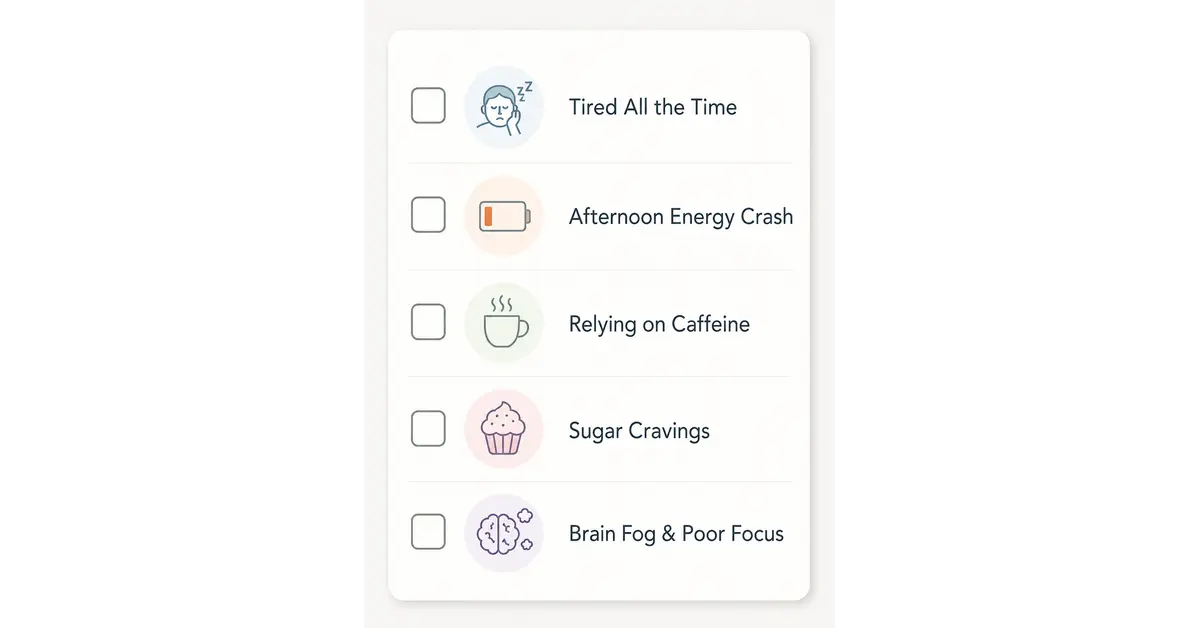
Not sure if food is really the culprit? Here are some signs worth paying attention to.
- You feel a wave of tiredness 30 to 60 minutes after eating, especially after carb-heavy meals.
- Your energy crashes hard in the afternoon, even on days you slept well.
- You reach for caffeine or sugar just to get through the day.
- Cutting back on processed foods or sugar, even briefly, seems to noticeably change how you feel.
- You feel foggy or sluggish rather than just physically tired.
If several of these sound familiar, diet may be playing a real role in how you feel. That doesn’t mean it’s the only factor, but it’s a strong place to start.
What to Eat Instead: Foods That Actually Give You Energy
The goal isn’t to cut out entire food groups. It’s to build meals that keep your blood sugar steadier instead of spiking and dropping.
How to Build an Energy-Boosting Meal
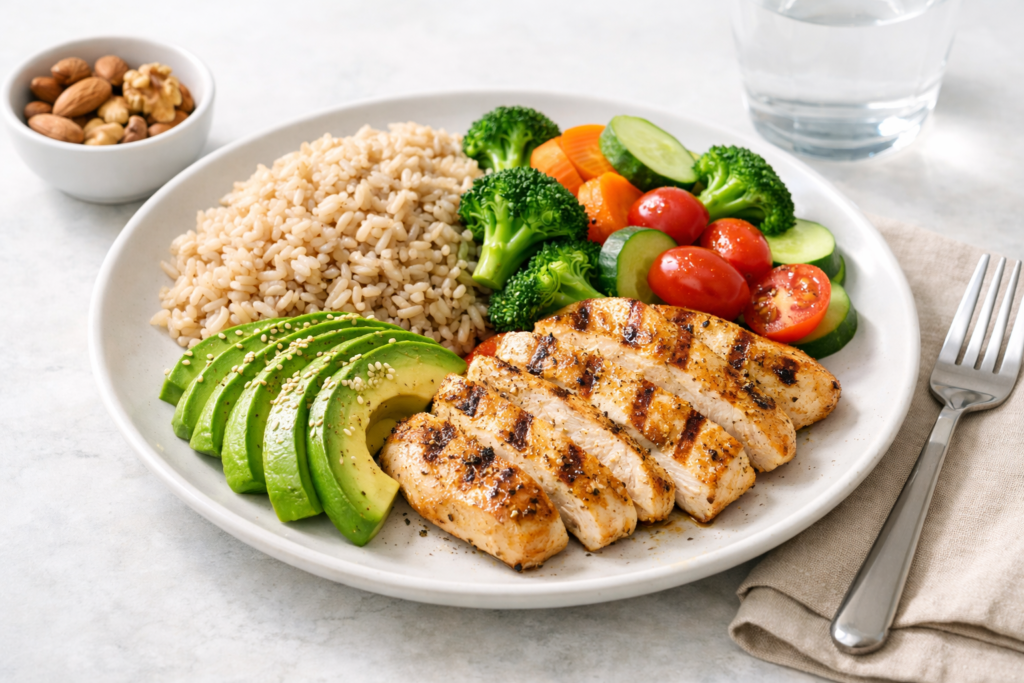
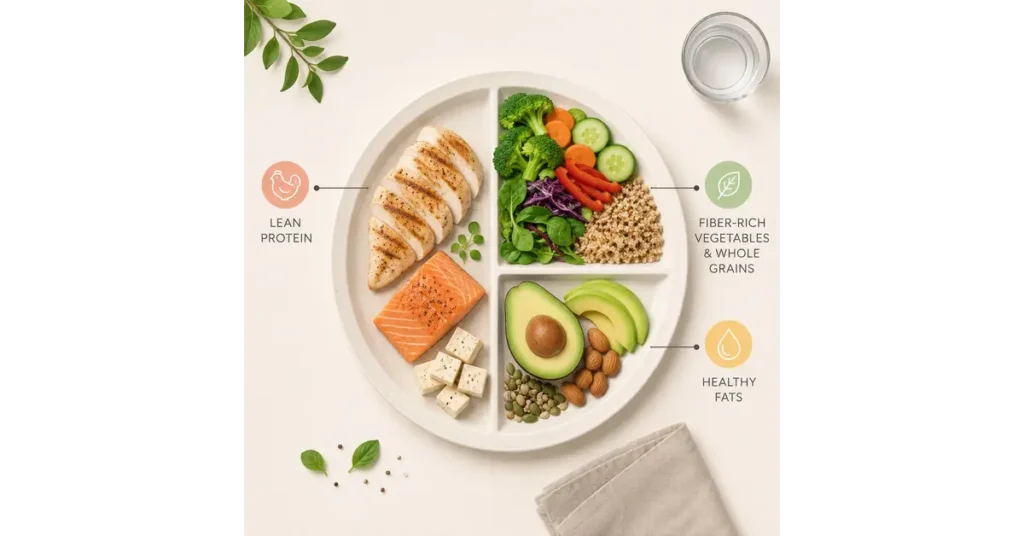
A simple formula works well here. Pair a protein source — eggs, chicken, beans — with fiber-rich carbs like vegetables or whole grains, and add a healthy fat like olive oil or avocado.
“Complex carbs, lean proteins, and adequate hydration support sustained energy,” says Beth Czerwony, RD, LD, a registered dietitian at Cleveland Clinic. This combination naturally slows digestion, which means a steadier release of energy instead of a fast rise and fall.
Whole fruits, nuts, plain yogurt, and leafy greens are all solid go-to snacks when you need something that won’t leave you crashing an hour later.
Caffeine vs. Food for Sustained Energy
Caffeine and food solve two different problems. Caffeine temporarily blocks your brain’s sleepiness signal. Food actually fuels your body with usable energy.
Relying only on caffeine is a bit like ignoring a low fuel light instead of filling the tank. It works for a little while, but eventually you’re running on empty. A steady, balanced meal does more for lasting energy than another cup of coffee ever will.
When to See a Doctor About Fatigue
Diet plays a real role in daily energy, but it isn’t always the full story. If your fatigue lasts six months or longer and doesn’t improve with rest, the CDC recommends getting it checked out by a healthcare provider.
Persistent fatigue can sometimes point to things like thyroid issues, sleep disorders, or other underlying health conditions. If you’ve made diet changes and you’re still exhausted, it’s worth having an honest conversation with your doctor rather than guessing on your own.
Frequently Asked Questions
Can certain foods really cause chronic fatigue, or is it something else?
Diet can contribute to feeling tired day to day, but chronic, long-lasting fatigue can also stem from medical conditions. If fatigue persists for months despite diet changes, it’s worth talking to a doctor.
What breakfast foods are most likely to cause an energy crash?
Sugary cereals, pastries, and other high-carb, low-protein breakfasts tend to raise blood sugar quickly, which often leads to a crash within an hour or two.
Can food allergies or intolerances cause fatigue?
In some people, yes — but fatigue alone rarely points to a food allergy or intolerance on its own. It usually shows up alongside digestive symptoms or other allergic reactions. If you suspect this, tracking your meals and symptoms together can help you spot a real pattern.
Does caffeine really cause fatigue, or does it just wear off?
Caffeine doesn’t directly cause fatigue. It blocks the brain chemical that signals tiredness, so once it wears off, the sleepiness that was building the whole time catches up with you.
How long does it take to feel more energetic after changing my diet?
Many people notice a difference within a few days to a couple of weeks, though this varies from person to person depending on overall diet and lifestyle.
Conclusion
The foods that cause fatigue aren’t always obvious, but once you know what to look for, the pattern gets easier to spot. Start small — try swapping one high-sugar or high-carb meal for a protein-and-fiber combination and notice how your energy responds over the next hour. Your plate might be the easiest fix you haven’t tried yet.
Medical Disclaimer
This article is for informational purposes only and should not replace professional medical advice. If you regularly experience persistent fatigue or low energy that doesn’t improve with diet or lifestyle changes, consult a qualified healthcare professional for proper evaluation.
Sources & References
- Breymeyer KL, Lampe JW, McGregor BA, Neuhouser ML. “Subjective mood and energy levels of healthy weight and overweight/obese healthy adults on high- and low-glycemic load experimental diets.” Appetite, 2016. https://pubmed.ncbi.nlm.nih.gov/27507131/
- Ultra-processed food and drink consumption and inflammatory biomarkers study. PMC. https://pmc.ncbi.nlm.nih.gov/articles/PMC11982146/
- Sleep Foundation. “Caffeine and Sleep.” https://www.sleepfoundation.org/nutrition/caffeine-and-sleep
- Sleep after Heavy Alcohol Consumption and Physical Activity Levels during Alcohol Hangover. PMC. https://www.ncbi.nlm.nih.gov/pmc/articles/PMC6572586/
- CDC. “ME/CFS Basics.” https://www.cdc.gov/me-cfs/about/index.html
- Cleveland Clinic Health Library. “Fatigue: Causes & Treatment.” https://my.clevelandclinic.org/health/symptoms/21206-fatigue