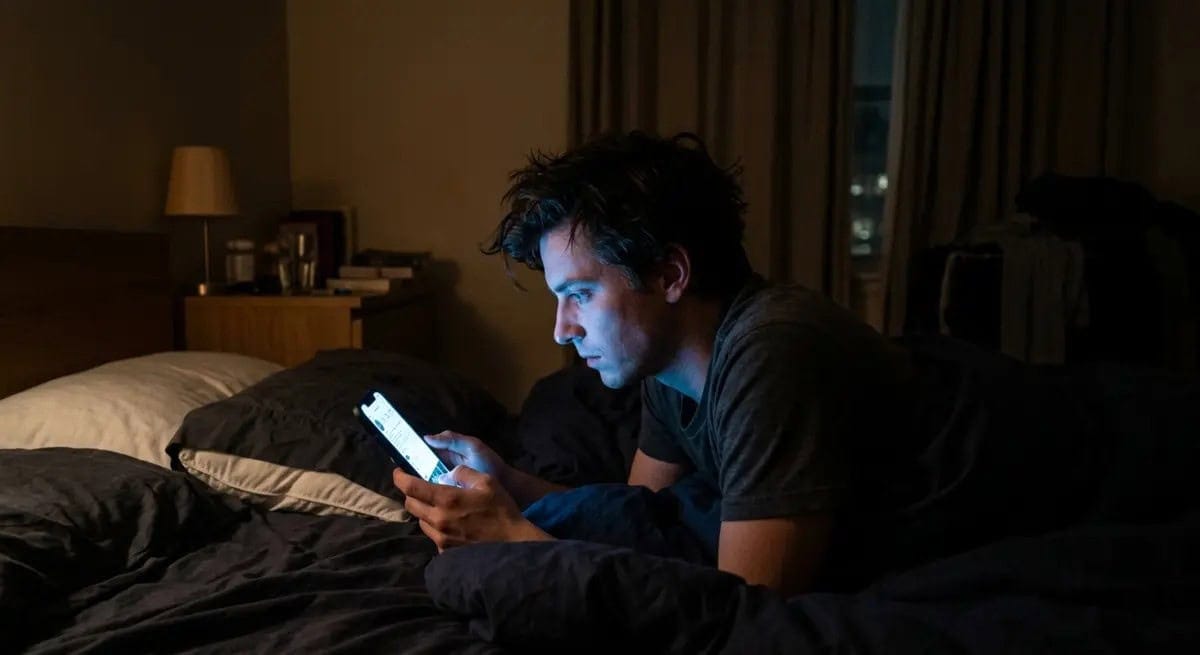

You’ve finally shut off your phone, snapped the laptop closed, and promised yourself tonight’s the night you’ll actually sleep.
But there you are, an hour later, eyes glued to the ceiling, heart racing with frustration. What’s going on?
Most articles blame blue light—and yeah, they’re onto something. But they miss the full story. Does blue light really affect your sleep? Absolutely, and the real reason hits harder than you think. Once you get it, fixing it feels way simpler.
Your Brain Has a Built-In Clock — And Blue Light Confuses It
Picture this: deep in your brain sits the suprachiasmatic nucleus. Fancy name, simple job—it uses light to figure out the time of day.
Bright blue-toned light, like sunlight, screams “Daytime! Stay awake!” to your body. As light dims naturally, melatonin kicks in, that cozy hormone whispering it’s time to wind down.
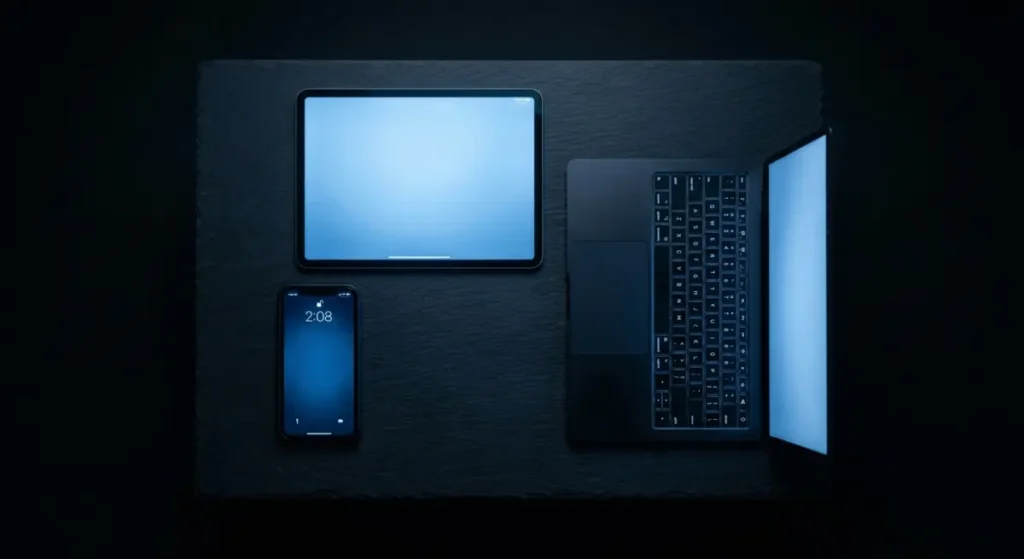
But here’s the kicker—your phone, laptop, and TV pump out the exact same blue wavelength. At 10 pm, scrolling feels like midday sun to your brain. Does blue light affect melatonin production? You bet. Studies show evening exposure delays it by over an hour, shoving your sleep signal way back, even when you’re dragging.
It Is Not Just About Falling Asleep
Ever wake up after “eight solid hours” feeling like a zombie? That’s no accident.
Blue light doesn’t stop at keeping you up—it tanks your sleep quality too. Does blue light affect deep sleep stages? It sure can. Suppressed melatonin and a thrown-off clock mean less time in those deep, healing stages.
How does blue light disrupt your sleep cycle? Imagine your night as a perfect playlist: light sleep, deep sleep, REM, repeat. Blue light before bed hits shuffle—the stages play, but the rhythm’s wrecked, leaving you exhausted.
So, Is Blue Light From Screens Really the Problem?
Let’s get real—does blue light from screens affect sleep? Yes. But is blue light or screen time the real sleep problem? It’s both, hitting you differently.
Blue light messes with your biology straight up—your brain reacts to the wavelength, no choice. Is blue light really why you can’t sleep at night? Partly, because it physically delays shutdown.
Screen time? That’s mental. Stressful news, endless scrolls, binge-watching—they wire your brain to stay buzzing. Light delays sleep; content replays old arguments at 1 am—brutal combo.
What Actually Helps (Without Swearing Off Screens Forever)
Frustrated with all-or-nothing advice? How to sleep better without avoiding screens completely? These tweaks make a real difference.
Carve out a 30–60 minute wind-down—no cold turkey needed. Go passive: light shows over doomscrolling.
Switch to night mode in the evenings. Does night mode actually reduce blue light for sleep? It dials down intensity, not perfect, but helpful. Dim brightness too—it’s as key as color. How long before bed should you avoid blue light? Aim for an hour; 30 minutes helps most.
Ban phones from the bedroom. That temptation alone keeps you on edge.
Quick FAQ
Do blue light glasses actually work for sleep?
They filter some blue light, like an extra shield—but no match for scroll-induced brain buzz. Layer them on, don’t rely on solo.
How much blue light exposure before bed is too much?
No hard line, but full-bright screens for an hour+? That’s when it hits hard for most.
Does blue light affect sleep quality or just falling asleep?
Both—it delays the onset and shallows your night.
The Takeaway
Blue light’s impact on sleep? Totally legit. But it’s not the whole villain—your screens are stimulation overload, too.
Light shifts your body clock; content revs your mind. Nail both, and relief comes quickly. Try dimming an hour before bed tonight. You’ll wake up clearer than you expect—small wins build fast.