
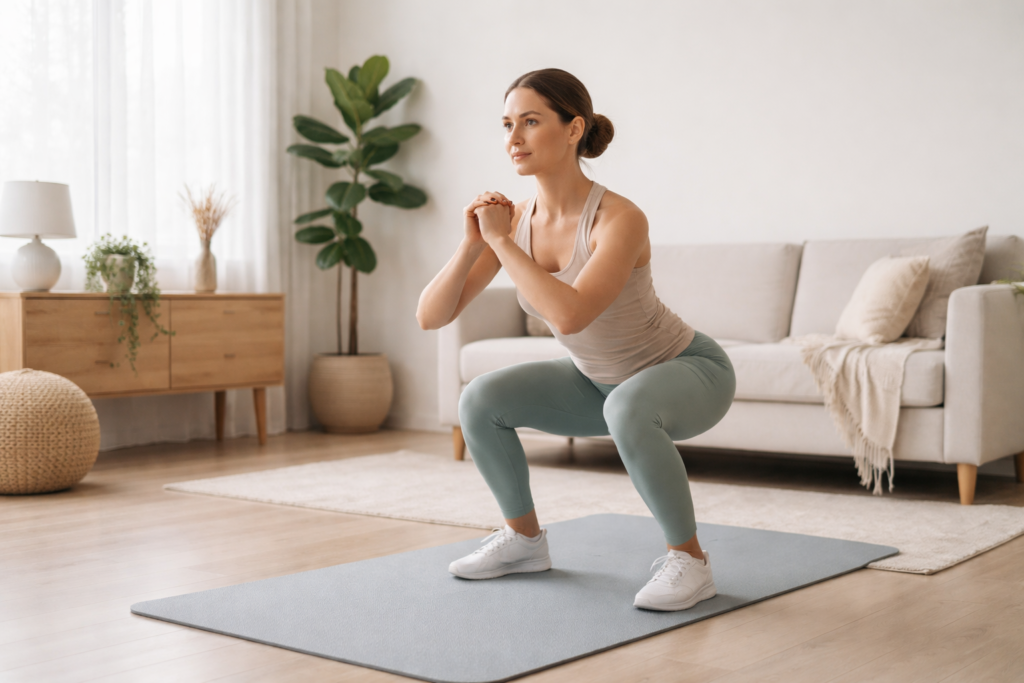
If you’ve been thinking about getting stronger but keep feeling stuck, you’re not alone.
Most beginners don’t struggle because they’re lazy or unmotivated. They struggle because no one clearly explains what to do.
Strength training can feel confusing, time-consuming, and intimidating.
This guide exists to change that.
By the end of this article, you’ll know:
- What strength training really is (in simple terms)
- Why it matters even if you have very little time
- Exactly how to start, step by step
- A beginner-friendly routine you can do at home
No gym pressure. No complicated plans. Just clarity.
What Is Strength Training? (Beginner-Friendly Explanation)
Strength training simply means using resistance to make your muscles stronger.
That resistance can come from:
- Your own body weight
- Light equipment
- Everyday movements like pushing, pulling, or squatting
You’re not trying to look like a bodybuilder.
You’re training your muscles to support your body better.
Why Strength Training Feels Hard for Beginners
The problem isn’t the exercises.
It’s the lack of structure.
Most beginners face:
- Too many exercise options
- No idea how many reps or sets to do
- Fear of doing exercises wrong
- Not enough time in the day
This creates overwhelm, which leads to inconsistency.
The solution?
A simple, repeatable system that fits into real life.
Strength Training Benefits (Why It’s Worth Your Time)
Even short sessions can make a difference.
Strength training helps you:
- Build muscle and improve posture
- Increase metabolism and energy
- Reduce joint pain and stiffness
- Improve daily movements like lifting, walking, and sitting
You don’t need long workouts.
You need consistent, smart effort.
How to Start Strength Training as a Beginner (Step by Step)
Step 1: Choose Where You’ll Train
Start where you’re most comfortable.
For most beginners, that’s strength training at home.
No commute. No waiting for equipment. No pressure.
Step 2: Decide How Much Time You Have
Be realistic.
- 15–20 minutes
- 3 days a week
That’s enough to see progress.
Step 3: Focus on Full-Body Movements
You don’t need dozens of exercises.
You need movements that work multiple muscles at once.
Step 4: Start With Bodyweight
Strength training without equipment is perfect at the beginning.
It:
- Reduces injury risk
- Builds proper form
- Builds confidence
Equipment can come later.
What Are the Big 5 Exercises for Strength?
These movements form the foundation of almost every strength program:
- Squat – legs and core
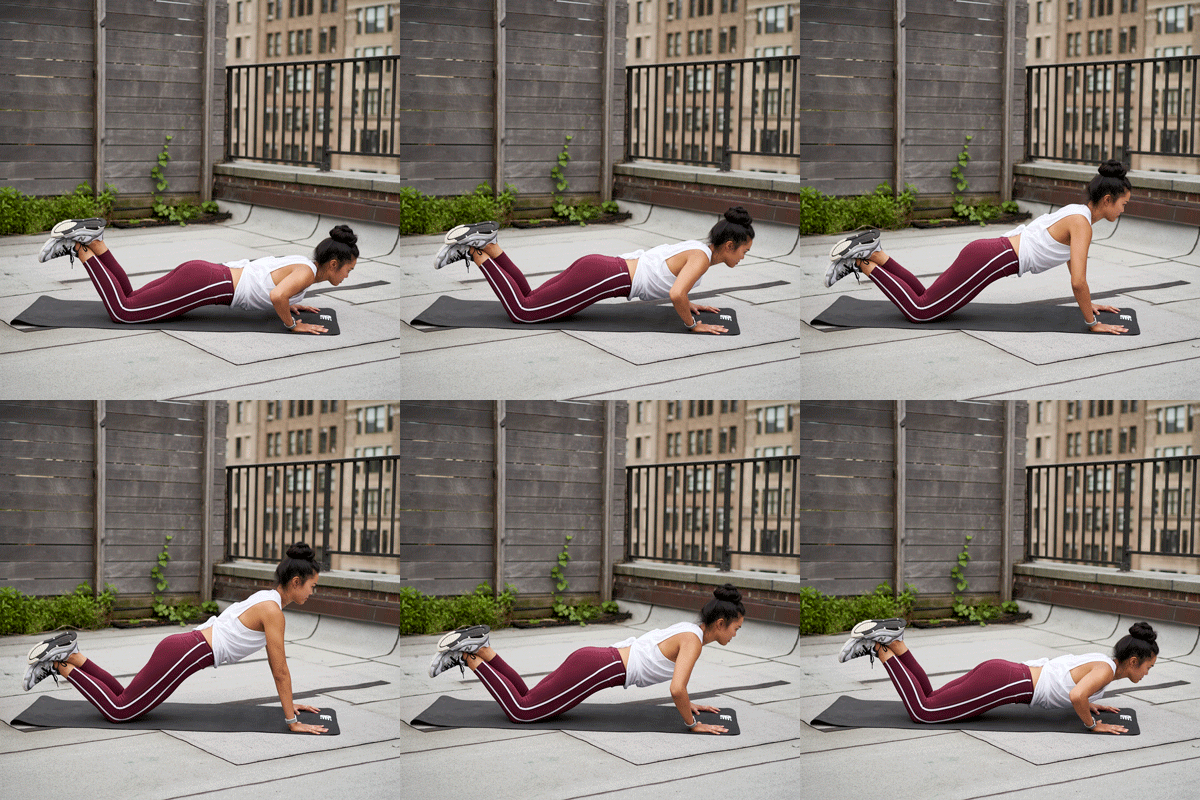
- Push-up – chest, shoulders, arms
- Pull movement – back and arms
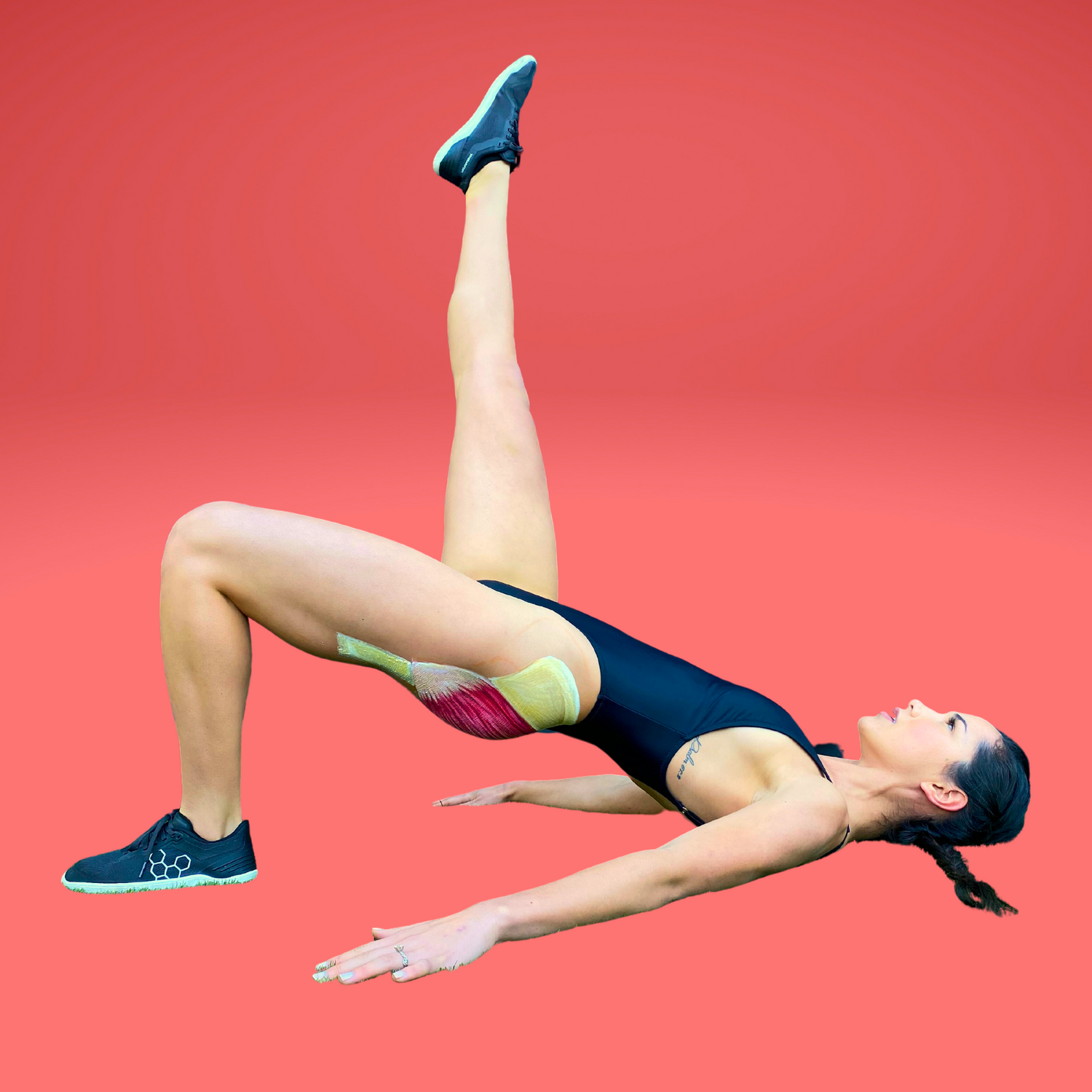
- Hip hinge – glutes and lower back
- Core hold – stability and balance
Mastering these gives you a strong base.
What Are the 5 Basic Strength Trainings?
In simple terms, strength training is built around these actions:
- Pushing
- Pulling
- Squatting
- Hinging
- Bracing your core
Most strength training exercises are variations of these five.
Strength Training Exercises for Beginners (At Home)

Here’s a simple beginner routine you can do anywhere.
Beginner Full-Body Routine
Do this 2–3 times per week.
- Bodyweight squats – 10 reps
- Knee or wall push-ups – 8–10 reps
- Glute bridges – 10 reps
- Standing rows (using a towel or resistance band) – 10 reps
- Plank – 20–30 seconds
Rest for 30–60 seconds between exercises.
Repeat the circuit 2 times.
This is a complete strength training example for beginners.
Strength Training Without Equipment: Is It Enough?
Yes—especially at the start.
Bodyweight training:
- Builds foundational strength
- Improves coordination
- Teaches muscle control
Once exercises feel easy, you can:
- Increase reps
- Slow down the movement
- Add light weights later
Progress matters more than equipment.
Common Beginner Mistakes to Avoid
Many beginners quit because of avoidable mistakes.
Watch out for:
- Doing too much too soon
- Skipping rest days
- Comparing yourself to others
- Focusing on speed instead of form
Slow progress is still progress.
Is Strength Training Safe for Beginners?
For most healthy adults, yes.
It’s normal to feel:
- Mild muscle soreness
- Fatigue after workouts
Stop if you feel:
- Sharp pain
- Dizziness
- Joint pain that worsens
If you have medical conditions or past injuries, consult a fitness professional or healthcare provider before starting.
FAQ: Strength Training for Beginners
What are the 5 basic strength trainings?
They are pushing, pulling, squatting, hinging, and core bracing. Most exercises fall into these categories.
What are the big 5 exercises for strength?
Squats, push-ups, pull movements, hip hinges, and core holds form the foundation of strength training.
How to start strength training as a beginner?
Start at home, use bodyweight exercises, train 2–3 times per week, and focus on simple full-body movements.
Can beginners do strength training at home?
Yes. Strength training for beginners at home is effective, safe, and time-efficient when done consistently.
Final Thoughts
You don’t need perfect workouts.
You need clear direction and consistency.
Start small. Stay consistent. Build slowly.
Strength training isn’t about doing everything.
It’s about doing the right things—regularly.
If this guide helped you,
subscribe for more health-related tips and simple solutions designed for real life.
