
If you train regularly, care about what you eat, and still feel unsure whether your diet is truly balanced, you’re not alone. Many people work out consistently but struggle to align their nutrition with their goals. Calories alone don’t tell the full story. That’s where macros come in.
This guide breaks everything down simply. You’ll learn what macros are, why they matter, how to calculate them, and how to eat in a way that actually supports your body and training.
What Are Macros?
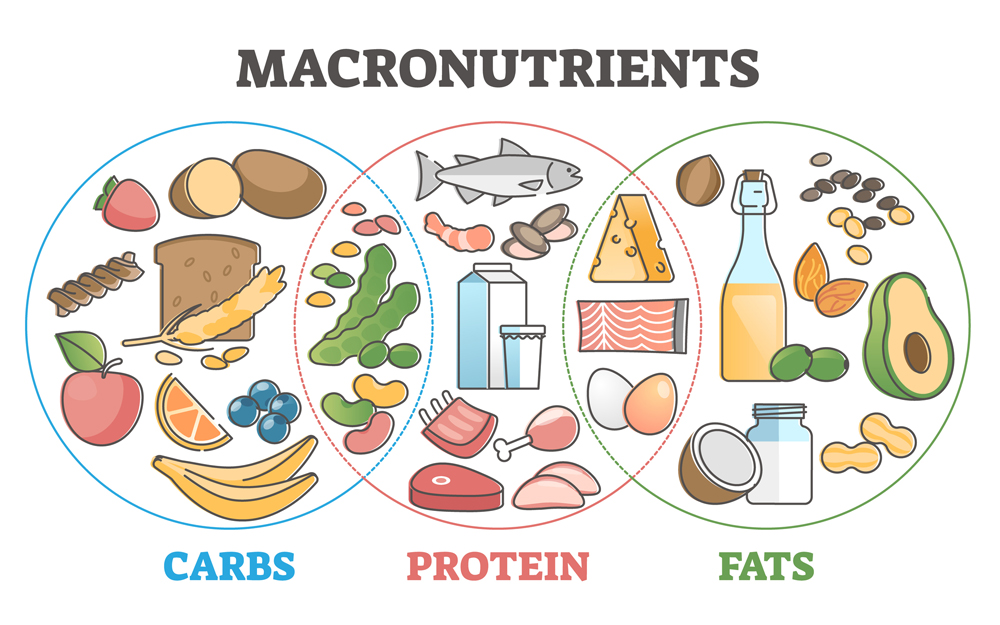
Macros is short for macronutrients. These are the nutrients your body needs in large amounts to function, perform, and recover.
There are three main macros:
- Carbohydrates
- Protein
- Fats
Each macro plays a different role. When balanced properly, they help fuel workouts, improve recovery, support hormones, and maintain overall health.

Macros Meaning (In Simple Terms)
Think of macros as how your calories are divided, not just how many you eat.
- Carbohydrates → Energy
- Protein → Muscle repair and recovery
- Fats → Hormones, joints, and long-term energy
Two people can eat the same calories and see very different results depending on how their macros are set up.
What Is a Macro With Example?
Let’s say you eat:
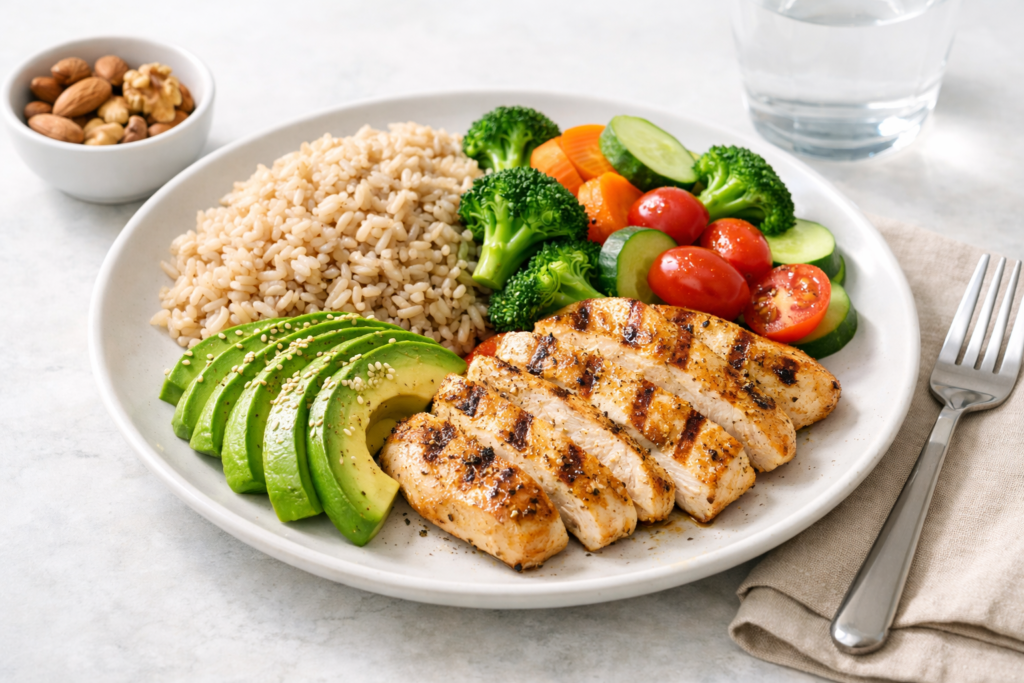
- A bowl of rice
- Grilled chicken
- Avocado
Here’s how that breaks down:
- Rice → carbohydrates
- Chicken → protein
- Avocado → fats
A balanced plate usually contains all three macros, not just one.
Macros and Micros Nutrition: What’s the Difference?
This is a common point of confusion.
- Macros = carbs, protein, fats (energy and structure)
- Micros = vitamins and minerals (support systems)
You need both. Macros decide how your body performs. Micros decide how well it functions behind the scenes. Focusing only on macros while ignoring food quality can lead to gaps over time.
Why Balanced Macros Are So Hard to Get Right
The problem isn’t effort. It’s misinformation.
Common misconceptions:
- Carbs are bad
- Fat makes you fat
- Protein should be extremely high
- One macro ratio works for everyone
In reality, your body, training level, goals, and lifestyle all matter. What works for someone else may not work for you.
How to Calculate Your Macros (Step by Step)
You don’t need advanced math. Just follow a clear process.
Step 1: Estimate Your Daily Calories
This depends on:
- Age
- Height
- Weight
- Activity level
Online calculators can give a solid starting point.
Step 2: Choose a Macro Split
A popular balanced approach is the 40/30/30 macro:
- 40% carbohydrates
- 30% protein
- 30% fats
This works well for people who train and want balance without extremes.
Step 3: Adjust Based on Your Goal
- For maintenance → balanced split
- For fat loss → slightly higher protein
- For performance → adequate carbs
Your body will tell you if adjustments are needed.
Best Macros for Weight Loss (Female Focus)
Women often face different challenges due to hormones and recovery needs.
A common mistake is cutting carbs and fats too aggressively. This can affect energy, mood, and training quality.
A more sustainable approach:
- Prioritize protein for muscle and metabolism
- Keep carbs high enough to support workouts
- Don’t fear healthy fats
This balance supports fat loss without burnout.
Macros Diet Plan (Female-Friendly Example)
Here’s a simple daily structure:
- Breakfast: Protein + carbs
- Lunch: Balanced plate (all three macros)
- Snack: Protein-focused
- Dinner: Protein, veggies, moderate fats
No extreme restriction. Just consistency.
Using a Macros Calculator for Fat Loss
Macro calculators are tools, not rules.
They help you:
- Estimate starting numbers
- Avoid under-eating
- Stay consistent
Track progress weekly, not daily. Adjust slowly based on energy, strength, and recovery.

How to Track Macros Without Obsessing
Tracking should bring clarity, not stress.
Helpful tips:
- Track for awareness, not perfection
- Use simple food logs
- Focus on weekly patterns
- Eat similar meals during busy days
Over time, you’ll naturally recognize balanced portions.
Safety Note
If you have medical conditions, hormonal concerns, or a history of disordered eating, consult a qualified nutrition professional before changing your intake significantly.
Frequently Asked Questions
What are macros?
Macros are carbohydrates, protein, and fats—the nutrients your body needs in large amounts for energy and structure.
How do I figure out my macros?
Start by estimating calories, choose a balanced macro split, and adjust based on your goal and how your body responds.
What is the 40/30/30 macro?
It’s a macro ratio where 40% of calories come from carbs, 30% from protein, and 30% from fats.
Are macros better than calorie counting?
Macros provide more context. Calories matter, but macros explain where those calories come from.
Do women need different macros?
Often, yes. Hormones, recovery, and energy needs can differ, making balance more important than extremes.
Final Thoughts
Understanding macros isn’t about strict rules or eating perfectly every day. It’s about fueling your body intentionally, supporting your workouts, and building a diet you can sustain long term.
When your macros align with your lifestyle, training, and goals, everything feels easier—energy, recovery, and consistency included.
Subscribe for more health-related tips and simple solutions that actually fit real life.
